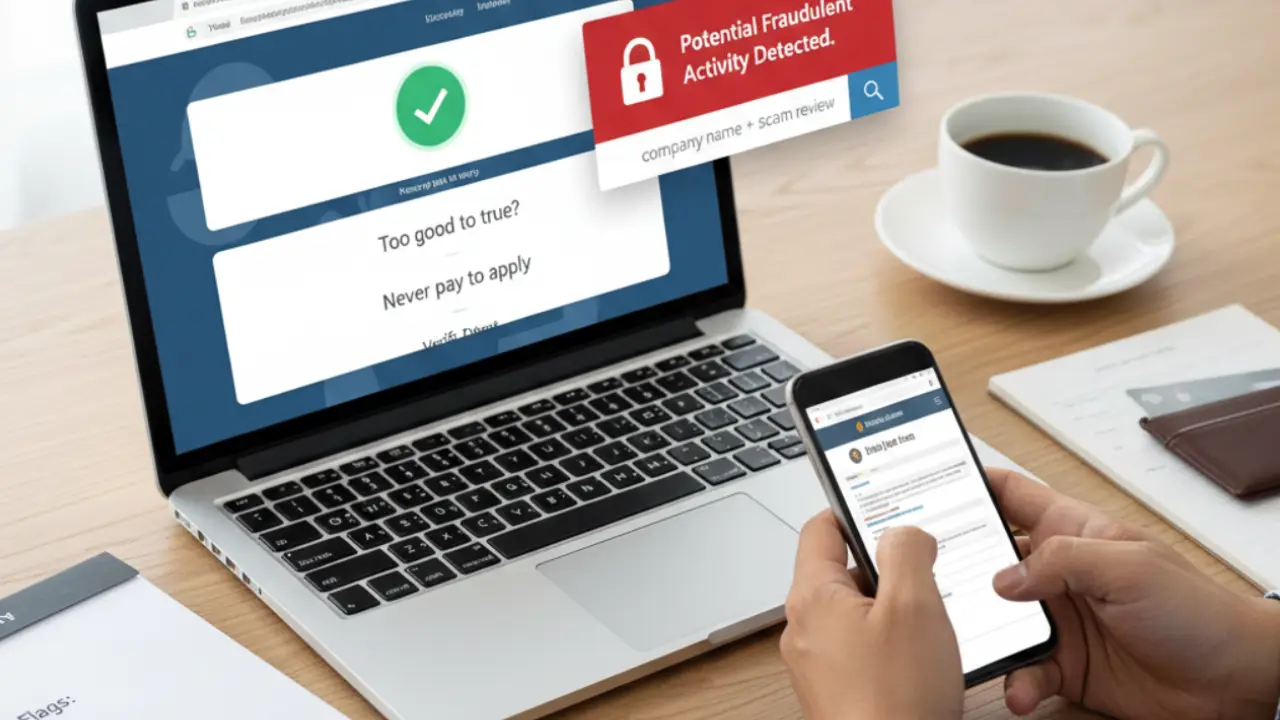
Remote jobs promise freedom, flexibility, and global opportunities. That promise also attracts scammers. Learning how to avoid remote job fraud protects your time, money, and confidence. This guide breaks down practical steps you can apply today. Every point comes from real hiring patterns, verified scams, and common mistakes job seekers make.
Remote job scams succeed because they feel urgent and personal. Scammers sound friendly. They move fast. They pressure decisions. Awareness changes everything. The moment you understand their patterns, control returns to you.
1. Scrutinize the job source before reading details
Legitimate companies publish jobs consistently across trusted platforms. Random messages rarely lead to real offers.
A role shared through LinkedIn company pages, official career sites, or verified job boards holds more credibility. A job link sent through messaging apps deserves extra caution.
Search the company name plus the word scam. Check forums, review sites, and social media discussions. Patterns appear quickly.
2. Check the company website with a critical eye
Professional companies invest effort into their websites. Broken links, copied text, and missing contact details signal risk.
Visit the About page. Look for leadership names. Cross check them on LinkedIn. Real teams leave digital footprints.
A secure website uses HTTPS. Domain age tools like Whois help confirm legitimacy. New domains often indicate short term scams.
3. Watch for vague job descriptions
Real roles describe responsibilities, tools, and expectations clearly. Scam listings stay broad to attract everyone.
Phrases like easy money, quick hiring, or guaranteed income raise concern. Serious employers explain how work gets done.
Compare similar roles across companies. Differences become obvious quickly. Clear structure reflects real operations.
4. Never pay to get hired
Legitimate employers never ask for money. Any request for registration fees, equipment deposits, or training payments signals fraud.
Scammers often justify fees using urgency. They claim limited slots or fast onboarding. Pressure replaces logic.
Payment requests through gift cards, cryptocurrency, or wire transfers confirm malicious intent. Walk away immediately.
5. Verify recruiter identities carefully
Real recruiters use company email addresses. Free email services rarely represent hiring teams.
Search the recruiter name on LinkedIn. Check employment history and mutual connections. Empty profiles deserve skepticism.
Email mismatches matter. A company named example.com never recruits from examplecareers@gmail.com.
6. Treat instant job offers as red flags
Hiring takes time. Interviews involve questions. Assessments test skills. Offers follow discussions.
Scams skip steps. They praise your profile quickly. They offer contracts without conversations.
Pause and reflect. Real employers value alignment. Speed without evaluation indicates risk.
7. Avoid sharing sensitive personal information early
Scammers collect data for identity theft. Early requests for passports, bank details, or tax numbers feel premature.
Share personal data only after verified contracts and official onboarding portals. Secure systems protect employee information.
Use document redaction tools when sharing necessary files. Control what others see.
8. Analyze communication style and tone
Professional recruiters communicate clearly and respectfully. Scam messages contain errors, odd phrasing, or copied templates.
Messages that push urgency reduce thinking time. Calm communication builds trust gradually.
Save suspicious messages. Compare them with legitimate hiring emails. Differences become obvious fast.
9. Use trusted tools to validate job offers
Several tools help job seekers avoid remote job fraud effectively.
Google reverse image search detects fake profile photos. Whois reveals domain ownership. Scam databases list reported employers.
Browser extensions flag suspicious links automatically. Security awareness adds strong protection layers.
10. Understand common remote job scam formats
Fake data entry roles promise high pay. Reshipping scams involve handling packages. Task scams pay initially, then demand deposits.
Crypto job scams ask wallet setup help. Survey scams redirect endlessly without payment.
Knowledge removes fear. Once patterns register, avoidance becomes instinctive.
11. Trust your discomfort signals
Discomfort signals matter. Confusion, pressure, or rushed decisions indicate manipulation attempts.
Pause before responding. Discuss offers with trusted peers. External perspectives reveal hidden issues.
Confidence grows with experience. Awareness replaces anxiety with control.
12. Report scams to protect others
Reporting helps platforms remove bad actors. Job boards rely on user feedback.
Use reporting tools on LinkedIn, Indeed, and other platforms. Submit evidence calmly.
Public awareness reduces scam success rates. Community action strengthens safety.
13. Build safer remote job habits long term
Create a verification checklist. Save trusted resources. Avoid emotional decisions during job searches.
Separate job search email accounts improve organization. Password managers protect login security.
Long term habits help avoid remote job fraud consistently across platforms.
Final thoughts
Remote work remains powerful and legitimate. Scammers exist because opportunities attract demand. Awareness keeps opportunity real.
Which warning sign surprised you most? Share your experience or questions below. Your story may help someone else avoid remote job fraud today.
