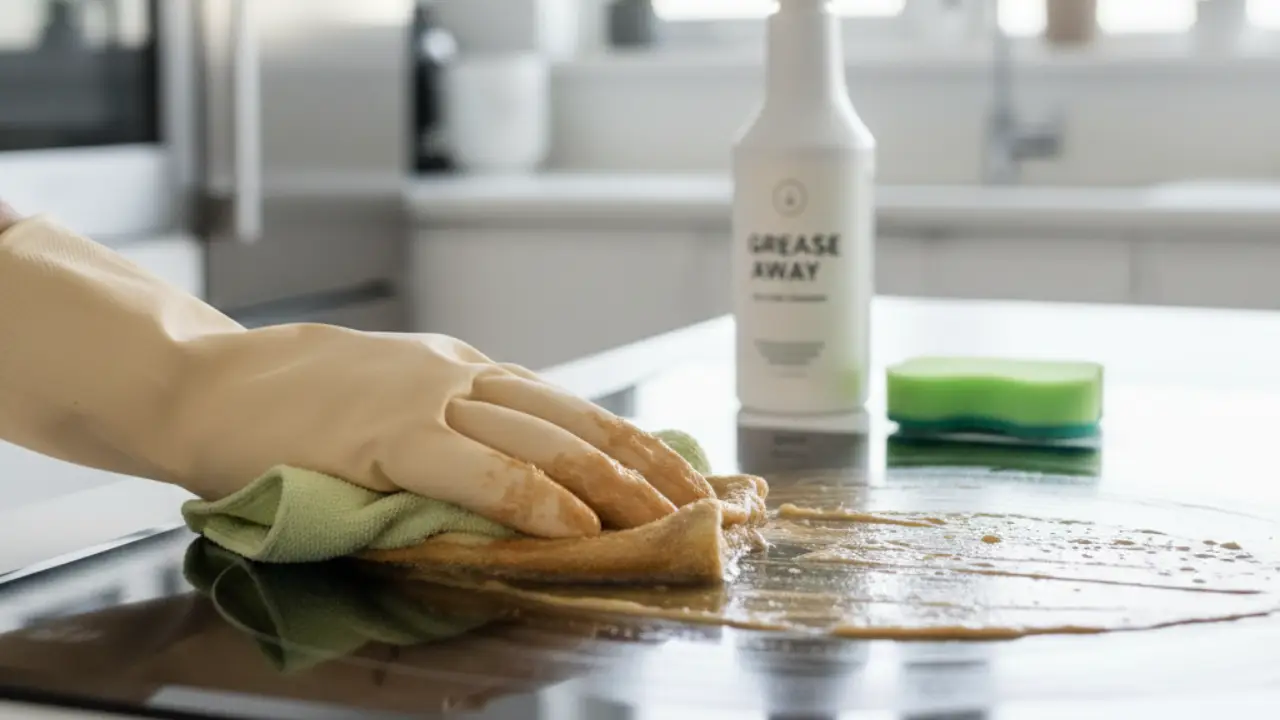
Sticky grease has a way of quietly building up until one day it feels impossible to ignore. Cabinets feel tacky. Tiles look dull. Handles feel unpleasant to touch. Learning how to remove grease easily is not about deep cleaning once a month. It is about using smart methods that work daily without exhausting effort.
Grease forms when cooking oils heat, evaporate, and settle on nearby surfaces. Over time, this thin layer traps dust and hardens. Regular wiping often fails because grease bonds with surfaces. This guide focuses on proven, practical ways to remove grease easily using tools you already trust. Each method works when used correctly and consistently.
1. Warm Water and Dish Soap for Fresh Grease
Fresh grease responds best to simple solutions. Warm water softens oil. Dish soap breaks grease bonds.
Mix warm water with a few drops of grease cutting dish soap. Dip a microfiber cloth and wring it well. Wipe surfaces using small circular motions. Rinse the cloth often to avoid spreading residue.
This works well on stovetops, backsplashes, and laminate cabinets. Avoid soaking wooden surfaces. Excess water damages wood finishes.
Many professional cleaners rely on this method for daily maintenance. It works because dish soap targets fats directly.
2. Baking Soda Paste for Stubborn Buildup
When grease thickens, soap alone struggles. Baking soda adds gentle abrasion without scratching.
Mix baking soda with warm water until it forms a paste. Apply it to greasy areas using a soft sponge. Let it sit for five minutes. Wipe gently and rinse with a clean damp cloth.
This method works well on tiles, range hoods, and metal surfaces. Avoid using it on polished stone or glossy finishes.
Baking soda absorbs grease while loosening dried residue. Many homeowners use this to remove grease easily from neglected surfaces.
3. White Vinegar Spray for Cabinets and Handles
Vinegar cuts grease and removes odors. It also evaporates cleanly without residue.
Mix equal parts white vinegar and warm water in a spray bottle. Spray lightly on cabinet doors and handles. Wipe immediately with a microfiber cloth.
This works best on sealed wood, laminate, and painted surfaces. Avoid raw wood or marble.
Vinegar works because acid breaks grease structure. Many rental cleaners prefer it for fast results.
4. Lemon and Salt for Natural Degreasing
Lemon contains citric acid that dissolves grease. Salt adds mild scrubbing power.
Cut a lemon in half. Sprinkle salt on the cut side. Rub directly onto greasy surfaces. Wipe clean with a damp cloth.
This method works well on cutting boards, metal sinks, and stovetops. It leaves a fresh scent behind.
People often use this after cooking heavy meals with oils. It helps remove grease easily without chemicals.
5. Rubbing Alcohol for Glossy Surfaces
Alcohol dissolves grease fast and dries quickly. It leaves no streaks.
Apply rubbing alcohol to a soft cloth. Wipe greasy spots on glossy cabinets, appliances, and tiles. Buff dry with a clean cloth.
This works well on stainless steel and glass surfaces. Avoid painted surfaces that may dull.
Many appliance technicians recommend this for quick touch ups.
6. Steam Cleaning for Deep Grease Layers
Steam melts hardened grease using heat alone. It reaches cracks and corners.
Use a handheld steam cleaner with a nozzle attachment. Direct steam onto greasy areas. Wipe immediately with a microfiber cloth.
This method works well on grout, stovetops, and exhaust hoods. Avoid delicate surfaces.
Steam cleaning helps remove grease easily without chemicals. Many professional kitchens rely on steam for hygiene.
7. Commercial Degreasers for Heavy Duty Jobs
Some grease needs stronger solutions. Commercial degreasers work when natural methods fail.
Choose a reputable brand labeled safe for kitchen surfaces. Follow instructions carefully. Wear gloves during use.
These products work well for ovens, exhaust fans, and commercial style kitchens. Avoid overuse on cabinets.
Professionals use degreasers during move out cleaning or renovations.
8. Microfiber Cloth Technique Matters
Using the wrong cloth spreads grease. Microfiber traps grease instead of pushing it around.
Fold the cloth into quarters. Use one side per wipe. Switch sides often. Wash cloths separately from lint producing fabrics.
This simple habit helps remove grease easily with less effort.
Cleaning professionals prioritize cloth quality over products.
9. Regular Maintenance Prevents Buildup
Grease hardens when ignored. Quick daily wipes prevent heavy cleaning later.
Wipe cooking areas after meals. Focus on handles, knobs, and nearby cabinets. Use mild soap or vinegar spray.
Five minutes daily saves hours monthly. This habit keeps grease manageable.
People who follow this routine rarely face stubborn buildup.
10. Choosing Tools That Actually Help
Not all tools work equally. Some make grease worse.
Use microfiber cloths, soft sponges, and spray bottles. Avoid rough scrubbers on delicate surfaces. Use gloves for comfort and grip.
Recommended resources include reusable microfiber sets, steam cleaners, and adjustable spray bottles.
Good tools make it easier to remove grease easily without frustration.
11. Real Life Example From a Busy Home Kitchen
A shared apartment kitchen faced heavy grease buildup from daily frying. Weekly deep cleaning failed.
Switching to daily vinegar wipes and weekly baking soda paste changed everything. Grease never hardened again.
The kitchen stayed cleaner with less effort. This approach works for busy households everywhere.
12. Common Mistakes That Make Grease Worse
Using cold water spreads grease. Over soaking wood damages finishes. Mixing chemicals creates residue.
Always start with warm water. Test solutions on small areas. Wipe dry after cleaning.
Avoid shortcuts that cause long term damage.
13. When to Call Professional Help
Some grease becomes unsafe or unhygienic. Commercial kitchens or long neglected homes may need professionals.
Look for certified kitchen cleaning services. Ask about surface safe methods.
Professional help saves time when grease becomes overwhelming.
Final Thoughts
Learning how to remove grease easily is about smarter habits, not harder scrubbing. Grease responds to heat, proper tools, and regular care. Using these methods keeps kitchens clean, safe, and pleasant daily.
Which method worked best for your kitchen? Share your experience or tips in the comments. Your insight might help someone else clean smarter.
