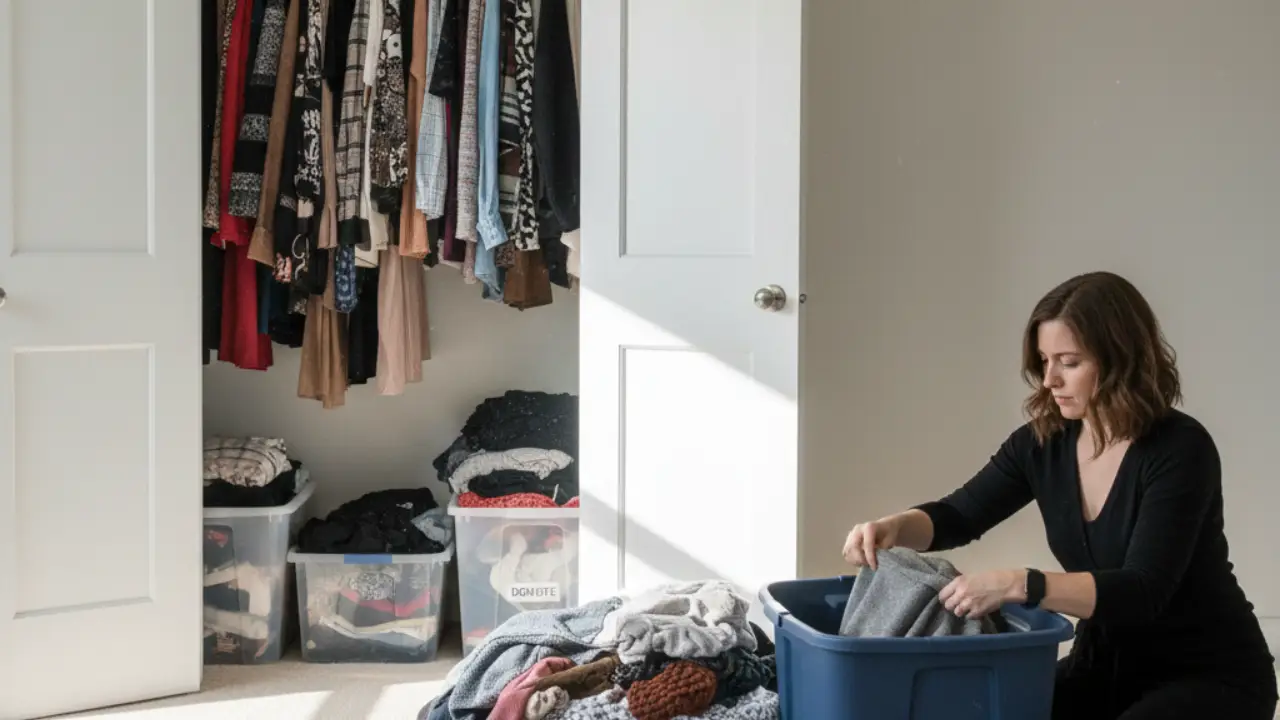
Opening a packed wardrobe can feel overwhelming, even when you like most of what you own. Clothes spill out, hangers tangle, and nothing feels easy to find. Many people want to declutter wardrobes but fear regret later. That fear often stops progress before it begins. This guide focuses on reducing chaos without forcing harsh decisions. You will keep what matters, remove what blocks space, and feel lighter without feeling deprived.
Below is a practical, human approach built on real habits, not extreme minimalism. Each step works even if you feel attached to your clothes.
1. Start With a Clear Purpose, Not a Purge
Decluttering works better when guided by intention, not pressure. Ask why you want to declutter wardrobes right now. Maybe mornings feel rushed or storage feels cramped. Maybe travel packing feels stressful. A clear reason keeps decisions grounded.
Instead of aiming for a number of items, aim for ease. Ease means faster outfit choices and less visual noise. When your goal feels personal, letting go becomes calmer.
A useful exercise involves writing one sentence on paper. That sentence could say, “I want my wardrobe to support my current lifestyle.” Keep it visible while sorting. This simple reminder prevents emotional spirals.
2. Sort by Category, Not by Closet Sections
Sorting by closet shelves creates confusion. Sorting by category reveals truth. Pull out all shirts together. Then dresses. Then outerwear. Seeing volume helps you understand excess without judgment.
Many people realize they own five similar black tops once grouped together. That realization makes decisions easier. You do not feel forced. You simply notice repetition.
Use containers or floor sections to separate categories. Apps like Sortly or simple phone photos help track progress if space feels limited.
3. Use the “Would I Buy This Again Today” Filter
This question cuts through guilt gently. Ask yourself if you would buy this item today at full price. If the answer feels hesitant, note that feeling.
This method works better than asking if something sparks joy. Buying logic reflects current taste and lifestyle. It respects growth.
One reader shared how this filter helped release office clothes after switching to remote work. The clothes were good, but no longer relevant. The release felt practical, not emotional.
4. Create a Maybe Box With a Time Limit
A maybe box protects you from regret. Place uncertain items inside. Seal the box. Set a clear time limit, usually thirty to sixty days.
If you do not open the box during that time, you have your answer. You did not miss those items. Letting them go becomes easier.
Label the box with a date. Use calendar reminders through tools like Google Calendar to revisit it intentionally.
5. Declutter Wardrobes Season by Season
Trying to handle everything at once leads to burnout. Work seasonally instead. Focus only on what you wear now.
Off season items stay stored temporarily. This reduces decision fatigue. It also keeps focus realistic.
A traveler once shared how seasonal decluttering reduced packing stress. They always knew which clothes suited the current climate.
6. Replace Harsh Rules With Gentle Limits
Rules like “keep only ten items” feel extreme. Gentle limits feel supportive. Decide limits by space, not numbers. For example, only keep what fits on one rail.
When space fills, something must leave before something enters. This creates balance without pressure.
Use slim velvet hangers to maximize space. Brands like Amazon Basics or IKEA offer affordable options globally.
7. Track Actual Wear Using Simple Tools
Memory lies. Data helps. Use a notes app or wardrobe apps like Stylebook or OpenWardrobe. Track what you actually wear for thirty days.
Patterns emerge quickly. Some favorites repeat often. Some items stay untouched. This clarity removes emotional guessing.
One user discovered that twenty percent of clothes handled eighty percent of wear. That insight changed buying habits long term.
8. Redefine “Letting Go” Beyond Donation
Letting go does not always mean donation. Clothes can be repurposed, altered, or stored meaningfully.
Tailoring can revive forgotten pieces. Basic alterations cost less than replacement. Repair platforms like Sojo or local tailors offer options worldwide.
Sentimental pieces can move to memory storage instead of prime wardrobe space.
9. Keep a Small Backup Capsule
Fear often comes from imagined future needs. A backup capsule solves that fear. Store a small set of versatile clothes for unexpected events.
This capsule might include one formal outfit, one travel outfit, and one weather specific layer. Knowing it exists reduces anxiety.
Store it separately and revisit once a year.
10. Build Exit Rules for New Purchases
Decluttering stays effective only with boundaries. Create one clear exit rule. One example involves one in, one out.
Another approach uses budget based limits. If a new item enters, it must replace a similar category item.
Tools like Mint or YNAB help track clothing budgets if spending feels impulsive.
11. Maintain With Monthly Micro Resets
Maintenance prevents overwhelm. Spend ten minutes monthly reviewing what feels off. Remove one or two items calmly.
This habit keeps clutter from rebuilding. It also builds trust in your decision making.
Set recurring reminders. Pair the reset with a pleasant habit like music or tea.
12. Trust Progress Over Perfection
Decluttering wardrobes without letting go too much requires patience. Progress matters more than perfection. Every small improvement builds confidence.
You are not failing if you keep more than expected. You are learning what supports your life now.
Over time, choices become faster. Regret becomes rare. Your wardrobe starts serving you quietly.
Final Thoughts
Decluttering does not need force or guilt. It needs honesty, structure, and kindness toward yourself. If you approach this process gently, your wardrobe will reflect who you are today, not who you used to be.
What was the hardest item for you to decide on, and why? Share your experience in the comments. Your insight might help someone else start.
