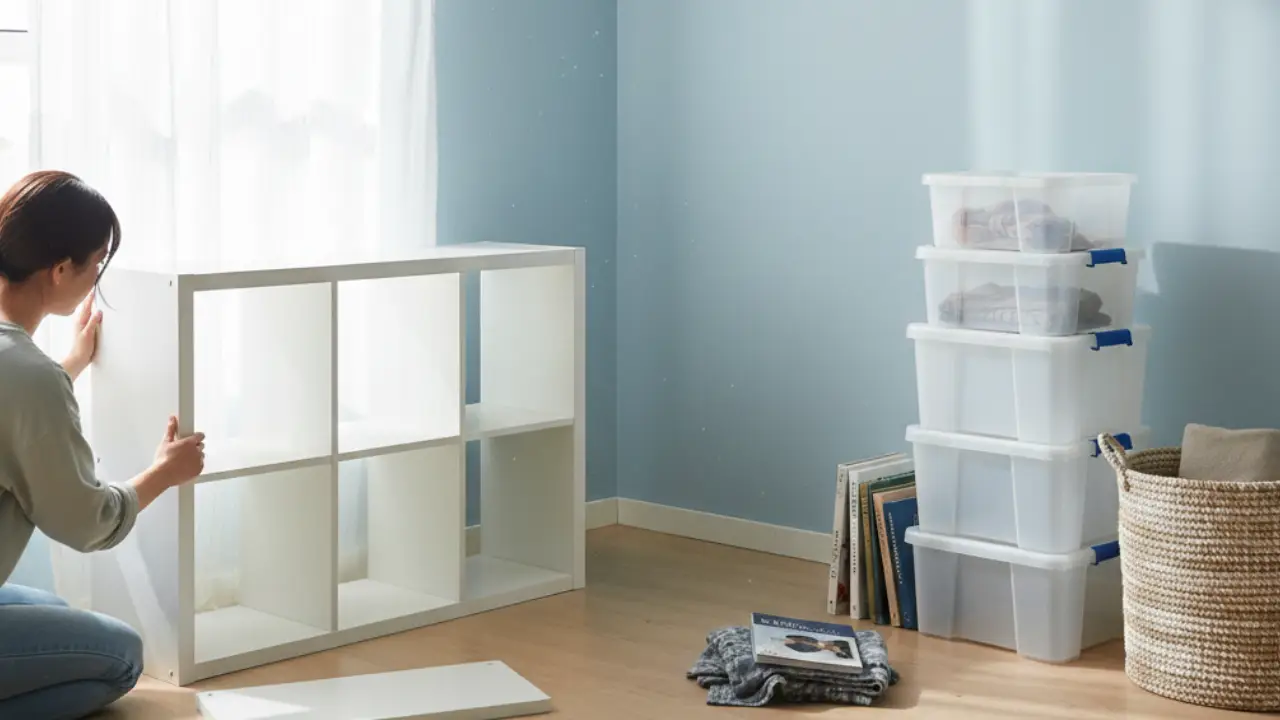
Living with limited storage can feel overwhelming very quickly. Closets fill up, surfaces disappear, and clutter slowly creeps into daily life. Learning how to create storage space without buying furniture is not about squeezing things tighter. It is about using space with intention and seeing your home differently. Small changes, when done right, can free up surprising amounts of room without spending money or adding bulky items.
This listicle focuses on practical, realistic methods that work in real homes. Every idea here has been tested by people living in small apartments, shared spaces, or older homes with limited storage. Each method helps you create storage space while keeping your home functional and comfortable.
1. Reclaim Hidden Vertical Space You Already Ignore
Walls hold more potential than most people realize. The space above doors, cupboards, and wardrobes often remains empty for years. Installing simple floating shelves or tension rods in these areas creates instant storage without touching the floor.
Many renters use adjustable tension shelves above doors for books or storage boxes. Homeowners often add narrow ledges near the ceiling for seasonal items. Lightweight baskets work well here because they are easy to access and safe.
2. Use the Backs of Doors as Storage Zones
Doors are vertical surfaces that usually go unused. Over-the-door hooks, hanging organizers, and fabric pockets transform them into storage hubs. Bathrooms benefit from towel and toiletry organizers. Bedrooms work well with shoe or accessory holders.
This approach helps create storage space while keeping items visible and reachable. Clear pocket organizers reduce clutter because you always see what you own.
3. Turn Dead Corners into Purposeful Storage
Corners often become dumping grounds because they feel awkward. Corner shelves, triangular racks, or wall-mounted hooks make these spaces useful. Even a small corner near a window can hold stacked crates or wall-mounted baskets.
People living in studio apartments often store bags, hats, or cleaning supplies in corners using vertical stacking methods. This prevents items from spreading across the room.
4. Store Items Where You Use Them Most
Storage works best when it matches daily habits. Keeping items near their point of use reduces clutter elsewhere. Kitchen tools stay near prep areas. Office supplies stay near the desk. Workout gear stays near the entryway.
Hooks, magnetic strips, and wall-mounted containers help create storage space exactly where it matters. This reduces the need for drawers or cabinets.
5. Divide Existing Drawers Like a Pro
Most drawers waste space because items slide and pile up. Simple dividers transform chaos into structure. Adjustable drawer dividers, recycled boxes, or cut-to-fit organizers work well.
This method creates storage space inside furniture you already own. People often discover they can fit double the items once drawers are properly divided.
6. Stack Vertically Instead of Horizontally
Horizontal stacking eats space quickly. Vertical stacking uses gravity wisely. Folding clothes vertically, storing files upright, and stacking containers by height makes everything easier to access.
This method is popular among professional organizers because it prevents forgotten items. Clear containers add visibility and reduce unnecessary duplicates.
7. Use Underutilized Floor Gaps Creatively
Small gaps under beds, sofas, and cabinets offer valuable storage. Flat storage boxes, rolling bins, or fabric zip containers fit neatly here. Seasonal clothing, spare linens, and documents store well in these spaces.
People often create storage space under beds without realizing how much room exists. Measuring first ensures smooth access later.
8. Mount Storage on Walls Without Drilling
Renters often avoid wall storage because of drilling restrictions. Adhesive hooks, removable strips, and tension systems solve this problem. Many modern adhesive systems support surprising weight.
Wall-mounted baskets hold mail, accessories, or cleaning tools. This approach creates storage space without damaging walls.
9. Use Clear Containers to Control Visual Clutter
Clear containers reduce decision fatigue. You see everything instantly and avoid overbuying. They work well for pantry items, craft supplies, and toiletries.
Stackable clear boxes help create storage space vertically while maintaining order. Labeling adds clarity without clutter.
10. Store Items by Frequency, Not Category
Traditional organizing groups similar items together. Practical storage groups items by how often they are used. Daily items stay within arm’s reach. Rarely used items move higher or deeper.
This approach helps create storage space in prime areas. It also makes daily routines faster and smoother.
11. Convert Decorative Items into Storage
Decor does not need to be empty. Baskets, decorative boxes, and trays store items while enhancing style. Coffee table trays hold remotes. Decorative bins hide cables or magazines.
Many people create storage space by choosing decor that works harder. Style and function can coexist easily.
12. Use Digital Storage to Reduce Physical Clutter
Paper takes up space quickly. Scanning documents, manuals, and receipts reduces physical storage needs. Cloud services and external drives offer secure alternatives.
This strategy helps create storage space across the home, not just one room. Fewer papers mean fewer folders and boxes.
13. Reorganize Before Adding Anything New
Reorganization often reveals unused space. Removing everything from a storage area and putting it back intentionally creates clarity. Many people find they already have enough space once items are grouped logically.
This step prevents unnecessary purchases and helps create storage space naturally.
14. Use Multi-Level Hanging Systems
Closets benefit from double hanging rods or cascading hooks. Shorter items hang higher, freeing lower space. Scarves, belts, and bags store well using multi-level hangers.
This method is common in small wardrobes where every inch matters.
15. Declutter With a Storage Mindset
Decluttering is not about minimalism. It is about keeping what supports daily life. Items without purpose consume space silently. Letting them go creates instant storage.
People often create storage space simply by releasing duplicates or unused items. Donation centers and resale platforms make this easier.
Final Thoughts
Learning how to create storage space without buying furniture changes how you experience your home. Space feels calmer. Daily routines feel lighter. Storage becomes intentional rather than reactive.
Which method surprised you the most? Have you tried any of these ideas already? Share your experience or challenges in the comments. Real homes always teach the best lessons.
