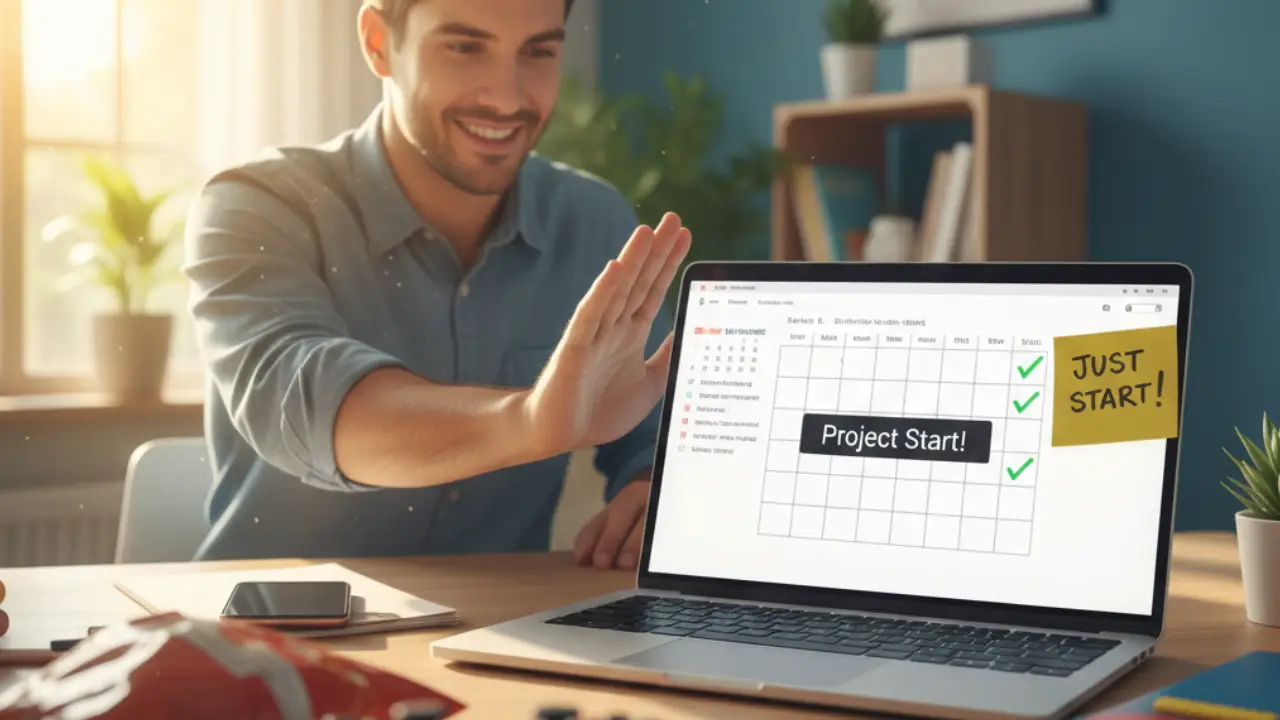
Procrastination rarely looks dramatic. It hides behind small delays, harmless scrolling, and quiet promises to start later. Most people want to break procrastination, yet keep repeating the same patterns because the real causes stay unseen. This guide focuses on practical, natural ways to break procrastination cycles without forcing discipline or using guilt as motivation. Everything here is meant to work in real life, not ideal conditions.
This is a list, but the ideas flow because habits do not exist in isolation. Each point builds on the previous one, creating momentum instead of pressure.
1. Identify the Emotional Trigger Before the Task
Procrastination often starts before the task begins. It usually begins with an emotion like boredom, fear, or uncertainty. Many people assume laziness, but the brain avoids discomfort, not effort.
Someone delaying a report might feel unclear about expectations. Another person avoids starting a workout because the first ten minutes feel uncomfortable. Once you name the feeling, the task loses some power.
A simple practice helps. Pause before starting. Ask what emotion appears when you think about the task. Write one word. Awareness alone helps break procrastination cycles naturally.
2. Shrink the Task Until Resistance Drops
Large tasks feel threatening to the brain. When something feels endless, the brain chooses safety through delay. To break procrastination, reduce the task until it feels almost silly to avoid.
Instead of writing a full article, open the document and write one paragraph. Instead of organizing an entire room, clear one surface. Momentum builds after action begins.
Many writers use a ten minute rule. They commit to working briefly, then decide whether to continue. Most continue because starting was the hardest part.
3. Change the Environment Before Changing Yourself
Willpower fades quickly in a distracting environment. Phones, notifications, and open tabs silently invite delay. Adjusting the environment removes temptation without internal struggle.
Place the phone in another room. Use website blockers like Freedom or Cold Turkey. Keep only essential tools visible. Even lighting and posture matter more than people realize.
One freelancer doubled output by working at a library instead of home. The silence created focus without effort. Environmental design helps break procrastination consistently.
Image prompt: Minimal workspace with no phone, clean desk, natural light, focused mood.
4. Use Time Blocks That Match Energy Levels
Productivity advice often ignores energy cycles. Everyone has natural peaks and dips. Fighting low energy periods leads to avoidance.
Track energy for three days. Note when focus feels easiest. Schedule demanding tasks during those windows. Save simple tasks for lower energy periods.
For example, creative work often fits mornings, while admin tasks work better later. Aligning tasks with energy helps break procrastination without burnout.
5. Replace Motivation With Consistent Cues
Motivation fluctuates. Cues remain stable. A cue is a signal that triggers action without thinking. Brushing teeth works because it follows a cue, not motivation.
Choose a fixed cue like finishing breakfast or opening your laptop. Attach one task to that moment daily. Keep it predictable.
Over time, the brain associates the cue with action. This removes decision fatigue and helps break procrastination naturally.
6. Reduce Perfection Pressure Early
Perfectionism often disguises itself as preparation. People delay because the first version feels embarrassing. This delay keeps work invisible and unfinished.
Set a rule that the first attempt must be messy. Drafts exist to be improved later. Writers often allow terrible first drafts intentionally.
When perfection loses control, starting feels safer. This mindset helps break procrastination in creative and professional tasks.
7. Use Visible Progress to Stay Engaged
The brain loves visible progress. Invisible effort feels unrewarding. Create simple tracking systems that show movement.
Use checklists, progress bars, or habit trackers. Tools like Notion, Todoist, or paper charts work well. Even crossing off tasks releases dopamine.
Seeing progress builds confidence and reduces delay. This visual feedback loop supports anyone trying to break procrastination.
8. Create Gentle Accountability Without Pressure
Accountability works best when it feels supportive, not judgmental. Share goals with someone who values progress over perfection.
Study groups, coworking sessions, or online focus rooms help. Platforms like Focusmate pair people for timed work sessions.
Knowing someone else shows up encourages action. This shared presence helps break procrastination gently.
9. Practice Task Closure at the End of Each Day
Unfinished tasks linger mentally. This creates background stress and avoidance the next day. Ending work with closure resets the mind.
Spend five minutes noting what you completed and the next small step. This reduces friction tomorrow.
Clear endings improve trust in your ability to follow through. This habit helps break procrastination long term.
10. Forgive Missed Days Without Resetting Everything
Consistency matters more than perfection. Missing one day does not erase progress. Many quit because they believe failure resets effort.
Treat missed days as information, not failure. Ask what changed. Adjust gently. Resume without punishment.
Self compassion sustains habits longer than discipline. This mindset keeps procrastination cycles from restarting.
Final Thoughts
Trying to break procrastination through force often backfires. Sustainable change comes from understanding behavior, not fighting it. These methods work because they respect how the brain operates daily. Pick two strategies and apply them this week. Small changes repeated consistently reshape habits.
Now I want to hear from you. Which procrastination trigger shows up most in your life right now? Share it in the comments and let’s unpack it together.
